PO Box 930 Revesby New South Wales (NSW) 2213
PO Box 930 Revesby New South Wales (NSW) 2213
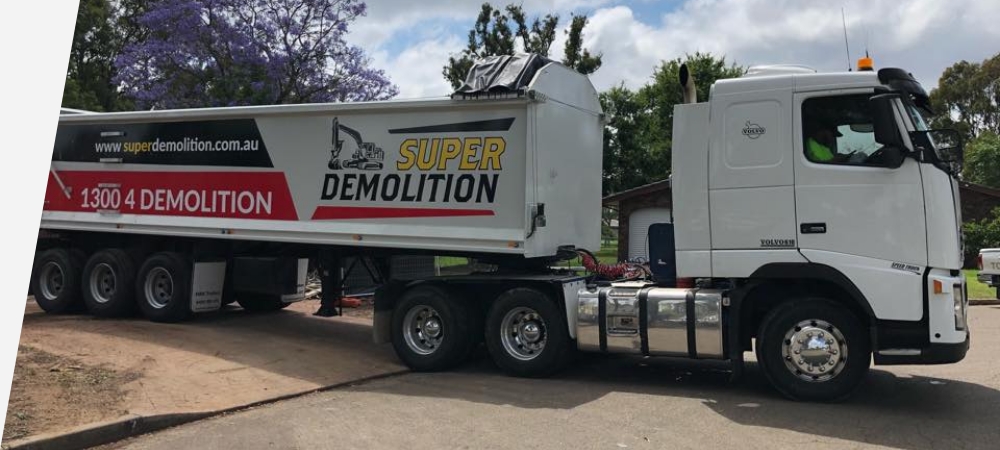
With over 30+ years of experience conducting both residential and commercial demolitions
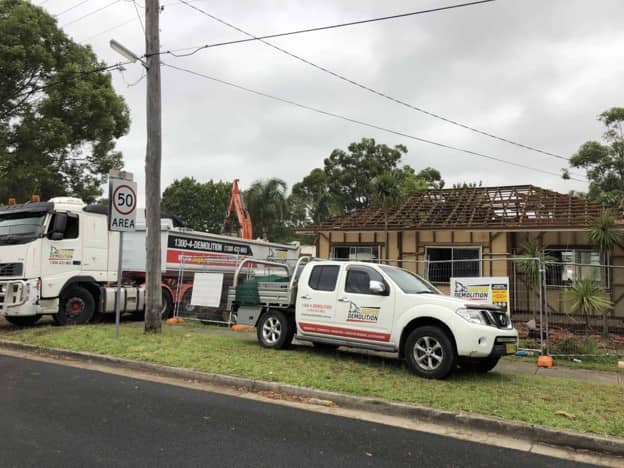
Planning to or add an extension to your property? It is natural to wonder whether you can save money by demolishing the structure yourself.
In NSW, the answer isn’t as simple as picking up a sledgehammer and starting at the front wall.
Demolition is high-risk construction work, and depending on the structure and the way the demolition is carried out, licensing, planning approval, asbestos controls, notifications, utility disconnections and waste-management requirements can all apply.
Here is what you need to know before deciding whether DIY demolition is legal for your property.
There is an important distinction between owning the property and being legally entitled to carry out demolition work yourself.
In the state of NSW, a person must hold the appropriate demolition licence if they want to work as a demolisher on licensed demolition work. New South Wales also has restricted and unrestricted demolition licences, with the applicable licence depending on the type and circumstances of the work.
Of course, there are also planning requirements. NSW’s Planning Portal explains that demolition of a dwelling, including associated garages and swimming pools, can potentially be carried out as complying development where the relevant standards and conditions are satisfied.
A Complying Development Certificate (CDC) may therefore be an available pathway, while other properties or circumstances may require a different approval pathway. Neighbour notification requirements also apply.
So before doing anything, you need to know:
This is just one important factor with DIY demolition.
You cannot simply decide on Monday that the house is coming down on Tuesday. The demolition approval always needs to be sorted before work begins.
Depending on the property and approval pathway, this may involve a CDC or development application process, conditions relating to the demolition, neighbour notification and other documentation.
If it’s a knockdown rebuild, the demolition approval also needs to fit into the overall construction program. At Super Demolition, we manage the approval process as part of the demolition contract.
That can include preparing and lodging the relevant documentation, dealing with council or the private certifier and keeping the demolition moving towards the date your builder needs the site.
Demolition is classified as high-risk construction work. For certain demolition work, SafeWork NSW must be notified at least five calendar days before the work begins.
The notification requirements apply to specified structures and circumstances, including certain load-bearing structures at least six metres high.
This is why working with a professional demolition contractor like Super Demolition is important. There is a planned sequence to bring a structure down.
Before demolition begins, the structure needs to be assessed, the site established and exclusion zones, access, dust controls and other safety measures considered.
On a Sydney block, that becomes particularly important when there is:
The goal is not simply to make the house disappear. It is to remove it without creating a problem for the house, the neighbours or the new build.
This is often the biggest issue homeowners underestimate. Older Sydney homes can often contain asbestos in fibro sheeting, eaves, garages, bathrooms, roofs, fences and other building materials.
Before any demolition works begin, the building must be properly assessed for asbestos and that asbestos-containing material must be dealt with appropriately before demolition proceeds.
NSW Planning guidance also states that for buildings constructed before 1987, asbestos must be handled and removed by a licensed contractor where licensed removal is required.
Removal is only half the problem. Asbestos waste can only be disposed of at a landfill licensed to accept it. If a homeowner transports more than 100kg or 10 square metres of household asbestos themselves, additional waste-tracking requirements apply.
At Super Demolition, asbestos removal is handled under our own asbestos removal licence, with waste taken to an approved facility and disposal documentation provided.
A house demolition produces much more than a pile of bricks.
There can be:
All construction and demolition waste must be transported to a place that can lawfully accept it, and both the owner of the waste and the transporter have legal responsibilities around lawful disposal.
If waste has not been properly sorted, transported or disposed of, the consequences can fall back to the property owner, both financially and legally.
At Super Demolition, timber, brick, concrete and metal are separated as demolition progresses, with suitable material directed through our recycling arrangements rather than simply sending everything to landfill.
Before the excavator arrives, services need to be dealt with. Electricity, gas and telecommunications services can run directly into an old house. Underground services can also cross or sit around the site.
A demolition contractor like Super Demolition needs to establish what services are present and arrange the required disconnections before demolition.
Before You Dig Australia (BYDA) information is also an important part of planning excavation and demolition work.
This is another area where DIY demolition can become a project-management exercise rather than a weekend job.
For property owners comparing demolition costs in Sydney will often find broad price ranges online.
The problem is that a house cannot realistically be priced from a suburb name or a few photographs alone.
The cost can change substantially depending on:
A house with easy machinery access and no asbestos is a very different demolition project from a fibro house on a narrow Sydney block with a shared boundary and a swimming pool.
At Super Demolition, we inspect the property before providing the written price. The assessment and quote are free, with the scope of work, approvals and timeline set out before work begins.
The principles are the same across Sydney, but the site conditions are not.
Someone looking for house demolition in Auburn may have a completely different access problem from a homeowner organising demolition in Woolwich.
Likewise, house demolition in Flemington and St Leonards projects can involve their own combination of access, neighbouring properties, existing structures and waste requirements.
On tighter metropolitan blocks, machinery access can become one of the biggest practical considerations.
That is why the Super Demolition team operates our own demolition and excavation equipment, including excavators, high-reach machinery, bobcats, bulldozers, wheel loaders and concrete crushers, supported by our own heavy-haulage transport.
Doing some work yourself can certainly appear cheaper, but compare the entire project rather than just the excavator hire.
A DIY demolition can mean arranging:
The question then becomes whether the saving is worth taking responsibility for all of those moving parts.
For a knockdown rebuild, the demolition contractor’s job is ultimately to leave you with the thing your builder needs the most, a safe, cleared and appropriately prepared block.
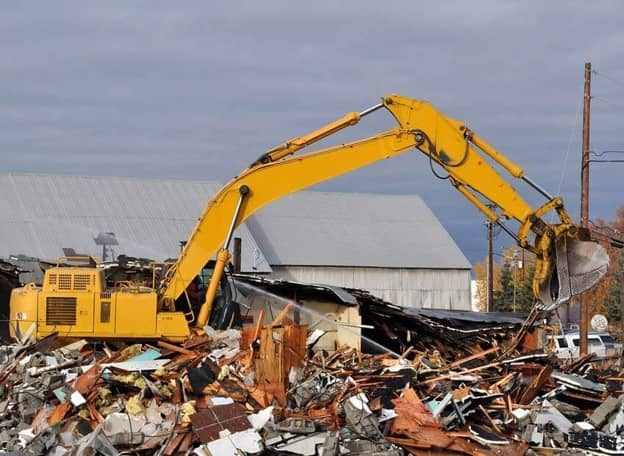
Ideally, there should be no uncertainty about what remains. Depending on your project, that can mean removing:
The finished ground should then be cleared and levelled to the agreed scope.
Your demolition clearance documentation can also form part of the handover process your certifier and builder require.
Home ownership does not mean you can ignore NSW demolition laws. For a straightforward knockdown rebuild, the safer approach is to treat demolition as a regulated construction project rather than a DIY excavation job.
You need to understand the planning approval, demolition licensing requirements, asbestos obligations, SafeWork notifications, utility disconnections and waste rules before anything comes down.
If you are already working with a builder and have a date for the slab to poured already pencilled in, the demolition timeline matters just as much as the build timeline.
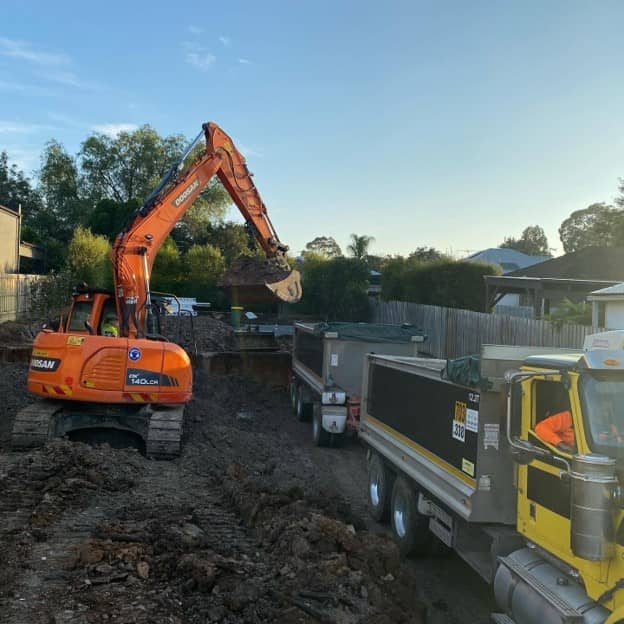
Super Demolition is a family-owned Sydney demolition contractor specialising in residential demolition, asbestos removal, excavation and site clearing.
We handle the demolition process from the initial property assessment through to approvals, notifications, service coordination, demolition, waste removal and site preparation.
Call us today on 0455 888 819 or email info@superdemolition.com.au to arrange a free, no-obligation assessment and written quote.
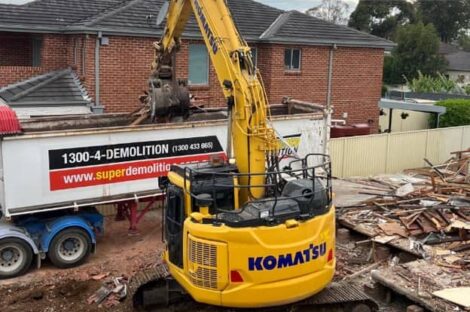
In the state of NSW, planning a demolition involves more than simply arranging for a demolition contractor and choosing a date for the excavator to arrive. Before any demolition work can begin, you need to first understand any relevant planning approvals, certification requirements, site restrictions, and safety obligations that may apply to your property. In […]
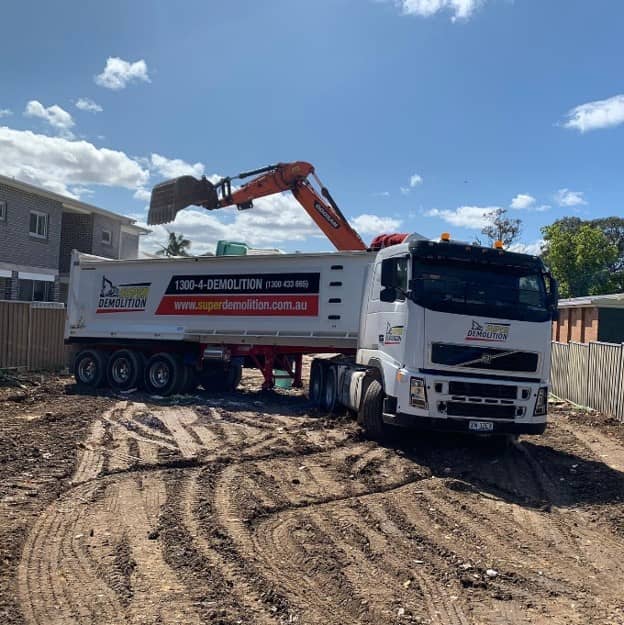
Planning a demolition project involves much more than knocking down a structure. One of the most important considerations before any demolition work begins is asbestos. Whether you’re demolishing an older home, a commercial building or an investment property, understanding your legal responsibilities is essential. These measures are what protects workers and the community, all while […]
If you’re planning a knockdown rebuild, subdividing your land, or clearing a property for redevelopment or extension, one of the first questions you’ll probably ask is: how much does house demolition cost in Sydney? The answer depends on several factors, including the size of the home, the materials used in its construction, site accessibility, and whether […]